Sterile Technique for Handling Research Peptides
A practical laboratory guide to aseptic handling of research peptides, including workspace preparation, vial stopper disinfection, single-use equipment, and a pre-reconstitution checklist.

Freezing hurts a dissolved peptide in three separate ways: cold denaturation, stress at the boundary…

Reconstituted peptide shelf life explained: bacteriostatic vs. sterile water windows, aliquoting, freeze-thaw caveats, and a full stability reference table.

Peptide reconstitution math explained with worked examples: mg vs. mcg, concentration formulas, molarity conversion, and the net peptide content correction.

Signs of peptide degradation: cloudiness, discoloration, odor, and the silent potency loss that shows no visible warning at all. A researcher's checklist.

Lyophilization explained: how freeze-drying works, why it stabilizes research peptides, and how to properly handle a sealed lyophilized vial.

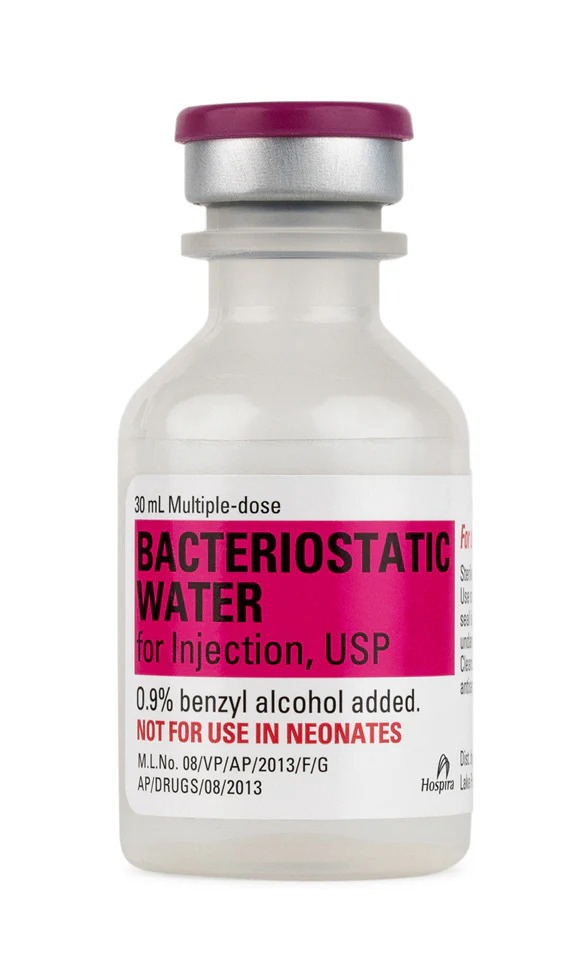
Bacteriostatic water vs. sterile water for peptide reconstitution: benzyl alcohol's role, shelf-life differences, pH, and which to choose for your protocol.

Learn how to reconstitute research peptides correctly: solvent selection, sterile technique, and concentration math for accurate, repeatable lab results.

Research peptides explained in plain English: what they are, how they're synthesized, purity standards, RUO legal status, and how to pick a lab-grade supplier.
Two compounds constantly paired and constantly confused. Different mechanisms, different evidence bases, and a naming problem that affects what is in the vial. Research use only.