Sterile Technique for Handling Research Peptides
A practical laboratory guide to aseptic handling of research peptides, including workspace preparation, vial stopper disinfection, single-use equipment, and a pre-reconstitution checklist.
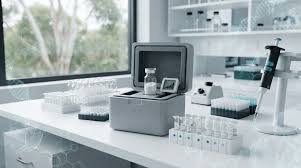
Research guides and science summaries on individual research peptides.
A practical laboratory guide to aseptic handling of research peptides, including workspace preparation, vial stopper disinfection, single-use equipment, and a pre-reconstitution checklist.

Freezing hurts a dissolved peptide in three separate ways: cold denaturation, stress at the boundary between ice and liquid water, and cryoconcentration, where salts and pH shift in the pocket of liquid that freezes last. All three happen every time…

Reconstituted peptide shelf life explained: bacteriostatic vs. sterile water windows, aliquoting, freeze-thaw caveats, and a full stability reference table.

Peptide reconstitution math explained with worked examples: mg vs. mcg, concentration formulas, molarity conversion, and the net peptide content correction.

Signs of peptide degradation: cloudiness, discoloration, odor, and the silent potency loss that shows no visible warning at all. A researcher's checklist.

Lyophilization explained: how freeze-drying works, why it stabilizes research peptides, and how to properly handle a sealed lyophilized vial.

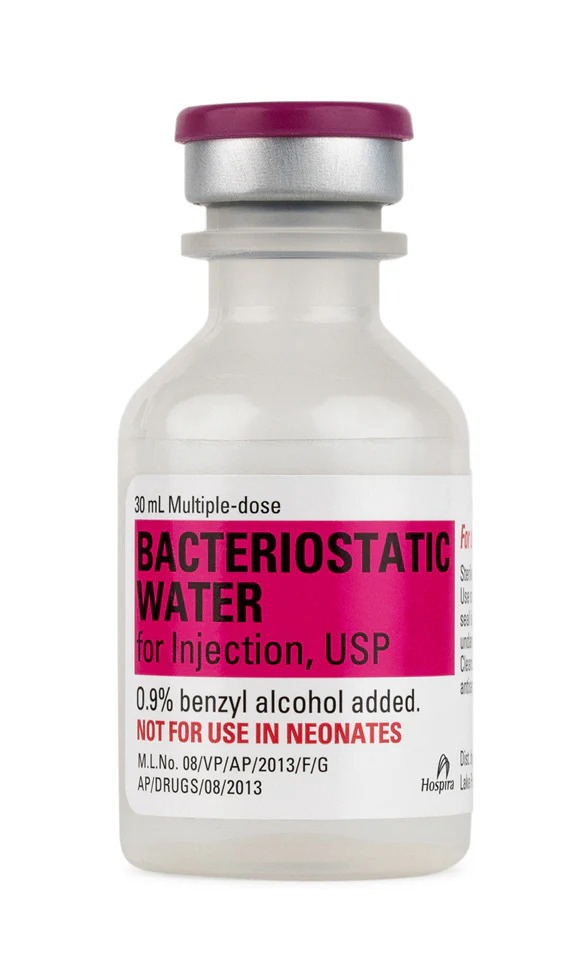
Bacteriostatic water vs. sterile water for peptide reconstitution: benzyl alcohol's role, shelf-life differences, pH, and which to choose for your protocol.

Learn how to reconstitute research peptides correctly: solvent selection, sterile technique, and concentration math for accurate, repeatable lab results.

Research peptides explained in plain English: what they are, how they're synthesized, purity standards, RUO legal status, and how to pick a lab-grade supplier.
Two compounds constantly paired and constantly confused. Different mechanisms, different evidence bases, and a naming problem that affects what is in the vial. Research use only.